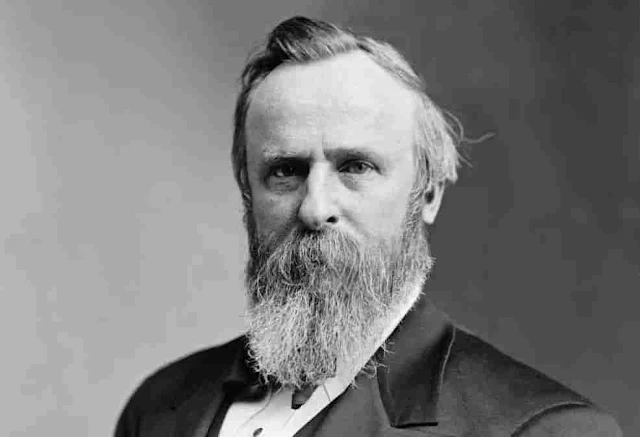
James Buchanan Facts – Most Controversial 15th President of USA
James Buchanan facts, the 15th President of the United States, often flies under the radar in American history. Yet, his presidency played a pivotal role in the events leading up to the Civil War.
Whether you’re a history buff or a student researching for school, this comprehensive article dives deep into James Buchanan’s life, education, religion, political career, and some intriguing stories that shaped his controversial legacy.
📅 James Buchanan Birth and Early Life
Born: April 23, 1791 Birthplace: Cove Gap, Pennsylvania, USA Parents: James Buchanan Sr. (a wealthy merchant and farmer) and Elizabeth Speer Buchanan
James Buchanan was born in a log cabin in rural Pennsylvania, the second of eleven children. His upbringing was comfortable thanks to his father’s business success. This afforded young James access to a good education, an opportunity not all Americans had during that era.
🎓 Education – 15th President James Buchanan Facts
James Buchanan was a bright student and graduated from Dickinson College in Carlisle, Pennsylvania, at the age of 18 in 1809. Despite being briefly expelled for misbehavior and partying, he managed to graduate with honors.
He later studied law and was admitted to the Pennsylvania Bar in 1812. His legal career was prosperous, making him financially independent and helping launch his political life.
✝️ Religion – 15th President James Buchanan Facts
Buchanan was a Presbyterian, though not particularly devout by public standards. He attended church regularly but rarely spoke of his faith in public life. In private letters, he referenced Christian values and morality, but religion did not dominate his political decisions.
🏛️ Political Career Before the Presidency
📌 U.S. Congressman (1821–1831)
📌 U.S. Senator (1834–1845)
📌 Secretary of State under James K. Polk (1845–1849)
📌 Minister to the United Kingdom (1853–1856)
Buchanan’s political career spanned over four decades. He was considered a brilliant diplomat and had a reputation for being moderate, which helped him gain the Democratic nomination in 1856. He was seen as a “safe” candidate during a deeply divided time in America’s history.
🏛️ James Buchanan as President (1857 – 1861)
Buchanan took office during one of the most divisive eras in American history. His presidency was marred by the issue of slavery, states’ rights, and increasing tensions between the North and South.
🔥 Key Facts About His Presidency:
Supported the Dred Scott Decision, which denied citizenship to African Americans and inflamed abolitionist sentiment.
Tried (unsuccessfully) to admit Kansas as a slave state.
Did little to prevent the secession of Southern states after Abraham Lincoln’s election in 1860.
Left office as seven Southern states had seceded, effectively setting the stage for the Civil War.
📌 Fun Fact: He is the only U.S. president from Pennsylvania and the only lifelong bachelor to ever hold the office.
💔 The Bachelor President: A Mysterious Love Story
One of the most intriguing James Buchanan facts is his personal life. He was engaged once, to Ann Coleman, the daughter of a wealthy iron magnate. But the relationship ended mysteriously.
Some historians speculate that Buchanan was more devoted to his political ambitions than to marriage. Tragically, Ann died shortly after their breakup, likely due to emotional distress. Buchanan was devastated and never married, becoming the only U.S. president who remained a bachelor throughout his life.
He shared a home for many years with William Rufus King, a senator from Alabama and Vice President under Franklin Pierce. Their close relationship has led to speculation and debate among historians, though definitive evidence remains elusive.
🏠 Later Life and James Buchanan Death
After leaving office, Buchanan retired to his estate, Wheatland, in Lancaster, Pennsylvania. He spent his final years writing his memoir, Mr. Buchanan’s Administration on the Eve of the Rebellion, in an attempt to defend his legacy.
Died: June 1, 1868, at age 77 Cause of Death: Respiratory failure Buried at: Woodward Hill Cemetery, Lancaster, Pennsylvania
📉 Why Was James Buchanan a Controversial President?
Historians often rank Buchanan among the worst U.S. presidents due to his inaction during a time of national crisis. He believed the Constitution didn’t allow him to prevent secession, yet his failure to act decisively is widely criticized.
Buchanan hoped to avoid war, but his policies only emboldened Southern states and deepened national divides. As a result, his name is often associated with failure to lead during a critical juncture in American history.
📜 Interesting Facts About James Buchanan – You Might Not Know
🏛️ He served under 15 presidents during his political career, including Jefferson, Madison, and Polk.
🖋️ He wrote over 300 letters during his presidency, many of which are still preserved today.
📚 He believed that history would eventually vindicate him—unfortunately, historians largely disagree.
⚖️ He refused to appoint abolitionists to federal office, trying to appease the South.
James Buchanan’s legacy is complex. Though experienced and intelligent, his presidency is often seen as a missed opportunity to hold the Union together. His caution and strict constitutionalism may have been his downfall, as bold action was required during his tenure.
Yet, Buchanan is a fascinating study in how political context, personality, and timing can shape a leader’s legacy.
🔍 Conclusion: The Man Behind the Mistakes
Understanding James Buchanan facts gives us insight into the immense pressure presidents face, especially when the country teeters on the brink of collapse. He remains a controversial and enigmatic figure in American history, not just for what he did, but also for what he failed to do.
Quick Facts About President James Buchanan
Full Name: James Buchanan Jr.
Nickname: “Old Buck”
Date of Birth: April 23, 1791
Birthplace: Cove Gap, Pennsylvania
Political Party: Democratic Party
Presidency: 1857 – 1861 (15th U.S. President)
Vice President: John C. Breckinridge
First Lady: None (Buchanan remained a lifelong bachelor)
Date of Death: June 1, 1868
Burial Place: Woodward Hill Cemetery, Lancaster, Pennsylvania
Franklin Pierce – 14th President of the United States: Complete Biography & Facts
If you’re researching the 14th U.S. President Franklin Pierce, here’s a comprehensive overview of his personal background, political career, presidency, and legacy.
Franklin Pierce – Early Life and Family
Full Name: Franklin Pierce
Nickname: “Young Hickory of the Granite Hills”
Date of Birth: November 23, 1804
Birthplace: Hillsborough, New Hampshire
Family Background
Mother: Anna Kendrick
Father: Benjamin Pierce (former Governor of New Hampshire)
Siblings:
Sisters: Nancy M., Harriet B., and half-sister Elizabeth Andrews
Brothers: Benjamin Kendrick, John Sullivan, Charles Grandson, Henry Dearborn
Marriage and Children
Spouse: Jane Means Appleton
Marriage Date: November 19, 1834
Marriage Location: Amherst, New Hampshire
Children:
Franklin Jr.
Frank Robert
Benjamin (all died young, leaving no surviving heirs)
Education and Religion
Education:
Attended local public schools
Graduated from Bowdoin College in 1824
Religion: Episcopalian
Military Service
Mexican-American War:
Enlisted as a private in New Hampshire Volunteers
Commissioned in the U.S. Army in February 1847
Promoted to Brigadier General (1847–1848)
Resigned in 1848 due to injury
Pre-Presidency Political Career
New Hampshire Legislature: 1829–1833 (Speaker from 1831–1832)
U.S. House of Representatives: 1833–1837
U.S. Senate: 1837–1842
Presidency of Franklin Pierce (1853–1857)
Inauguration Date: March 4, 1853
Age at Inauguration: 48
Vice President: William R. King (died shortly after taking office)
First Lady: Jane Pierce
Major Appointments
Supreme Court Justice Appointed: John A. Campbell (1853)
Cabinet Members (1853–1857):
Secretary of State: William L. Marcy
Secretary of the Treasury: James Guthrie
Secretary of War: Jefferson Davis
Attorney General: Caleb Cushing
Postmaster General: James Campbell
Secretary of the Navy: James C. Dobbin
Secretary of the Interior: Robert McClelland
Post-Presidency Life
Retired: After his single term, returned to New Hampshire
Death: October 8, 1869, in Concord, New Hampshire, at the age of 64