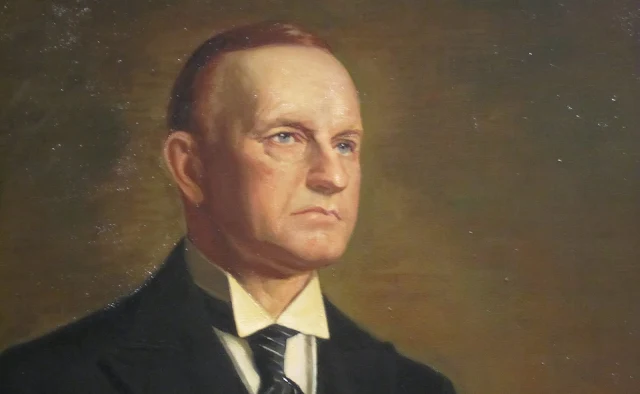
The Calvin Coolidge autobiography stands out in presidential memoirs for its brevity, honesty, and deep insight into the life of one of America’s most reserved yet influential presidents. Coolidge, known as “Silent Cal,” may not have had a reputation for grand speeches or bold charisma, but his life story is filled with character, conviction, and curious anecdotes that defy his quiet image.
Unlike modern political memoirs bloated with self-promotion, Calvin Coolidge Autobiography, published in 1929, is refreshingly concise and humble, making it a compelling read for history buffs, leadership students, and lovers of American literature.
Calvin Coolidge Autobiography Early Life: From Plymouth Notch to the White House
Born on July 4, 1872, in Plymouth Notch, Vermont, John Calvin Coolidge Jr. was the first president to share a birthday with the nation he would one day lead. This symbolic start gave way to a life defined by integrity, discipline, and service.
Coolidge was raised in a modest farmhouse by his father, a storekeeper and public servant. The values of frugality, hard work, and self-reliance were instilled in him early on—values that would become the bedrock of his political career.
Calvin Coolidge Education: A Quiet Scholar at Amherst College
Coolidge’s academic journey led him to Amherst College in Massachusetts, where he developed a lifelong appreciation for classical studies, public speaking, and moral philosophy. While not a standout in terms of charisma, he earned respect for his quiet thoughtfulness and sharp intellect.
One of the most telling anecdotes in his autobiography recalls a professor telling him, “Calvin, the world is full of educated derelicts. What the world needs is more people who do things.” This line resonated so deeply that Coolidge would later quote it often, living proof of how much that lesson influenced his presidency.
Religious Beliefs: A Stoic Faith
Coolidge was a devout Congregationalist, a denomination rooted in New England Puritanism. His religious beliefs were quiet but deeply held. He rarely spoke about his faith publicly, yet he frequently referenced morality, duty, and divine providence in his writings.
In Calvin Coolidge Autobiography, he recounts how he would often read the Bible with his father and attend Sunday services in his small Vermont church, an experience that shaped his worldview and instilled a sense of modesty and purpose.
Calvin Coolidge Autobiography The Accidental President: A Midnight Oath
One of the most dramatic stories in the Calvin Coolidge autobiography is how he became president. On August 2, 1923, President Warren G. Harding died unexpectedly. Coolidge, then vice president, was at his family home in Vermont.
At 2:30 a.m., by the light of a kerosene lamp, Coolidge’s father, John Coolidge, a notary public, administered the presidential oath of office. It remains one of the most iconic and intimate moments in American political history.
“It was a simple ceremony,” Coolidge wrote, “but in that solemn moment, the whole weight of the nation seemed to rest on my shoulders.”
Personality and Presidency: The Power of Saying Less
While many politicians are remembered for their eloquence, Calvin Coolidge is remembered for his restraint. His most famous quote? When asked why he spoke so little, he replied, “You don’t have to explain what you don’t say.”
Calvin Coolidge autobiography echoes that sentiment. Rather than embellish or dramatize events, he writes plainly and sincerely, just as he governed. His time in office (1923–1929) was marked by economic growth, low taxes, and a belief in limited government. And while he left office just before the Great Depression, his legacy as a steward of American prosperity remains debated and respected.
Was Calvin Coolidge A Good President – Calvin Coolidge Presidency
1. The Rooster Story
Coolidge once took a political rival’s boast that he would “strut into the White House like a rooster” and calmly replied, “Perhaps, but the rooster often crows the loudest before becoming dinner.” It’s a rare glimpse into his dry, razor-sharp wit.
2. The Hat-Tip Habit
As president, Coolidge insisted on tipping his hat to every White House staffer he passed, no matter how many times a day. When asked why, he simply said, “It is a small way to show respect. That should never go out of style.”
3. Silent Cal at Dinner
At a dinner party, a woman bet she could get him to say more than two words. His response? “You lose.” That story, confirmed in his autobiography, remains one of the most beloved examples of his humor.
Early Life of Calvin Coolidge
Full Name: John Calvin Coolidge Jr. Nickname:Silent Cal Date of Birth: July 4, 1872 Place of Birth: Plymouth Notch, Vermont Mother: Victoria Josephine Moor Father: John Calvin Coolidge Siblings:
Sister: Abigail
No brothers
Education and Personal Life
Primary Education:
Plymouth District School
Black River Academy
St. Johnsbury Academy
College: Amherst College, Class of 1895
Religion: Congregationalist Profession (Pre-Presidency): Lawyer Military Service: None
Marriage:
Spouse: Grace Anna Goodhue
Wedding Date: October 4, 1905
Marriage Location: Burlington, Vermont
Children: John Coolidge and Calvin Coolidge Jr. Primary Residence: Coolidge Homestead, Plymouth Notch, Vermont
Calvin CoolidgePolitical Career
Early Political Roles:
Northampton (MA) City Council: 1899–1900
Northampton City Solicitor: 1900–1902
Hampshire County Clerk of Courts: 1903
Massachusetts State Government:
Member, Massachusetts General Court: 1907–1908
Mayor of Northampton: 1910–1911
Massachusetts State Senator: 1912–1915
President, Massachusetts Senate: 1914–1915
Lieutenant Governor of Massachusetts: 1916–1918
Governor of Massachusetts: 1919–1923
Federal Government:
Calvin Coolidge Vice President of the United States: 1921–1923
Became President upon the death of Warren G. Harding
Calvin CoolidgePresidency
Term: August 3, 1923 – March 4, 1929 Age at Inauguration: 51 Vice President: Charles G. Dawes (1925–1929) Political Party: Republican First Lady: Grace Goodhue Coolidge Inauguration Location: Plymouth Notch, Vermont Inaugural Address:Calvin Coolidge’s Inaugural Address available online
Supreme Court Appointment
Harlan Fiske Stone – Appointed in 1925
Calvin Coolidge Administration: Cabinet Members
Office
Name(s)
Years
Secretary of State
Charles Evans Hughes, Frank B. Kellogg
1921–1929
Secretary of the Treasury
Andrew W. Mellon
1923–1929
Secretary of War
John W. Weeks, Dwight F. Davis
1921–1929
Attorney General
Harry M. Daugherty, Harlan Fiske Stone, John G. Sargent
1921–1929
Postmaster General
Harry S. New
1923–1929
Secretary of the Navy
Edwin Denby, Curtis D. Wilbur
1921–1929
Secretary of the Interior
Hubert Work, Roy O. West
1923–1929
Secretary of Agriculture
Henry C. Wallace, Howard M. Gore, William M. Jardine
1921–1929
Secretary of Commerce
Herbert Hoover, William Whiting
1921–1929
Secretary of Labor
James J. Davis
1923–1929
Post-Presidency Life
After leaving the presidency, Calvin Coolidge returned to private life and spent his final years as a writer, authoring articles and his autobiography.
Death and Legacy
Date of Death: January 5, 1933 Place of Death: Northampton, Massachusetts Age at Death: 60 Burial Place: Hillside Cemetery, Plymouth, Vermont
Historic Sites & Landmarks Related to Calvin Coolidge
Coolidge Homestead, Plymouth Notch, VT (birthplace and boyhood home)
Calvin Coolidge Presidential Library and Museum, Northampton, MA
Plymouth Notch Cemetery, final resting place
Why Calvin Coolidge Matters
Calvin Coolidge is remembered as a symbol of fiscal conservatism, small government, and American individualism. His quiet demeanor earned him the nickname “Silent Cal,” yet his administration marked significant economic growth during the Roaring Twenties. Visit more US Presidents.